
EVCC™ Pedas RSA : Lessons from Tesla’s Record-Breaking Lost Hills Supercharger Oasis
Updated: Aug 21, 2025

Image Credit : Tesla
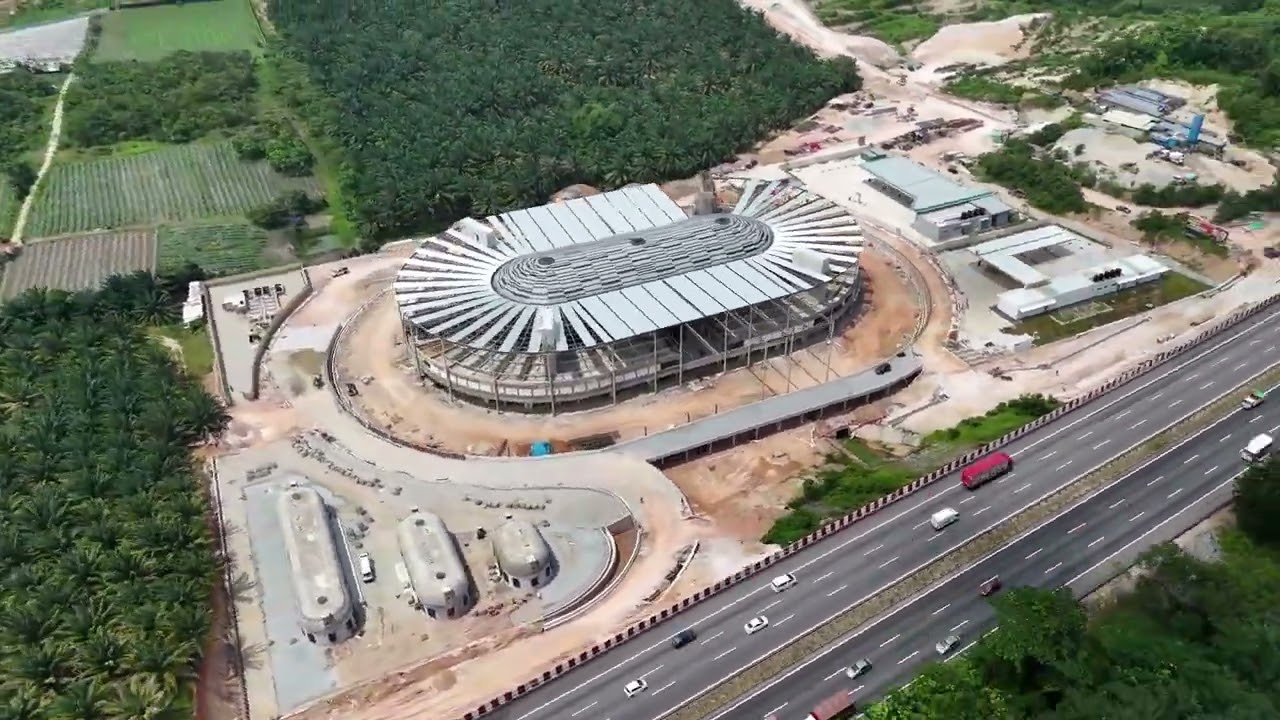
As Malaysia accelerates into the era of electric mobility, EVCC™ Pedas RSA is setting the benchmark for highway-based EV infrastructure. Strategically located at KM241 (Southbound) along the PLUS Expressway, this privately developed EV hub blends fast charging, sustainable architecture, and premium roadside retail—an emerging template for the future of highway rest stops.
To guide its design and operational ambition, one global reference stands out: Tesla’s Lost Hills Supercharger Oasis in California. Officially opened in July 2025, it is the largest, most technically advanced EV charging site in North America. The project offers rich lessons for developers and policymakers seeking to create intelligent, scalable, and ESG-aligned mobility infrastructure.
1. Powering Off-Grid: Solar + Megapack Storage
The Lost Hills site is designed for near-complete grid independence. Tesla installed:
A 30-acre solar farm generating up to 11 MW of electricity
10 Megapacks storing a total of 39 MWh, allowing full off-grid charging operations
During the day, energy is drawn from solar arrays. At night or during peak demand, the battery storage supports charging, enabling round-the-clock reliability even in grid-constrained zones.
What EVCC Pedas RSA Can Learn:
Scale rooftop and canopy-based bi-facial solar arrays to maximize yield
Integrate Battery Energy Storage System (BESS) zones into the power yard master plan
Transition towards microgrid readiness to hedge against grid limitations and reduce utility CAPEX
2. Build for High Throughput: Future-Ready Charging Infrastructure
Tesla deployed 168 V4 Superchargers, each capable of delivering up to 500 kW—twice the output of standard HPC units. Although only 84 were commissioned at launch, the site was built to meet 10–15 year demand growth.
Lost Hills also features pull-through charger bays to accommodate long vehicles, trailers, and fleet use cases.
What EVCC Pedas RSA Can Learn:
Pre-plan for multi-brand, high-capacity chargers (Tesla + Gentari)
Enable future expansion of charger banks without disturbing circulation flow
Include truck- and van-friendly charging lanes to support commercial electrification
3. Accelerate Market Entry with Phased Construction
Tesla completed the first phase of Lost Hills in under 8 months, adopting a phased delivery model:
Early delivery of EV charging capacity
Subsequent rollout of lounge spaces, landscaping, and driver amenities
What EVCC Pedas RSA Can Learn:
Fast-track the energisation of key HPC infrastructure and access roads
Phase in retail tenants and amenities without delaying the core EV use case
Use construction staging to demonstrate early viability to investors and authorities
4. Operate with Intelligence: Smart Grid, Load Management & Data
Tesla’s ecosystem at Lost Hills runs on its proprietary Powerhub and Autobidder systems, which:
Automate energy arbitrage between solar, storage, and grid
Load-balance chargers dynamically based on demand
Monitor site operations, battery performance, and user patterns in real time
What EVCC Pedas RSA Can Learn:
Integrate IoT and Vision AI to track traffic, charger use, and energy flows
Feed site analytics into predictive maintenance and lease management models
5. Design for Experience: From Charging to Destination
Tesla is transforming Lost Hills into more than a charging zone—it’s a premium driver destination. Planned additions include:
Climate-shaded zones
Traveller lounges
F&B pop-ups and smart vending
What EVCC Pedas RSA Can Learn:
Activate its circular retail hub with curated, shaded seating, and family-friendly spaces
Feature Surau, washroom excellence, and digital signage to enhance comfort and navigation
Position drive-thru pods as fast-lane retail formats, not just F&B extensions
6. Make ESG Visible and Valuable
Lost Hills is a case study in decarbonised infrastructure—off-grid, solar-fed, and battery-buffered. These features aren’t hidden—they’re branded and amplified through public dashboards and media.
What EVCC Pedas RSA Can Learn:
Communicate its Platinum-rated GreenRE commitment via live dashboards (solar kWh, CO₂ avoided, water saved)
Showcase sustainable construction practices: rainwater harvesting, recycled materials, and passive cooling
Use ESG metrics to attract green sukuk, private equity, and institutional investors
From Malaysia to the Region
By adapting these global technical benchmarks to Malaysian conditions, EVCC™ Pedas RSA has the potential to become Southeast Asia’s reference model for electric highway hubs. It is not just the first of its kind in Malaysia—it is designed to set a new standard for how roadside infrastructure should be powered, operated, and experienced.
Opening Q1 2026 – KM241 (Southbound) PLUS Expressway
🔗 Learn more at: www.evcc.my
#EVCC #PedasRSA #TeslaLostHills #EVHubPLUSExpressway #GreenREPlatinum #SolarEVHub #FutureOfHighways #EVChargingAsia #PLUSExpressway


Comments