
Carbon Tax is Coming to Malaysia: Why EVCC™ Pedas RSA is Already Ahead
Updated: Aug 22, 2025

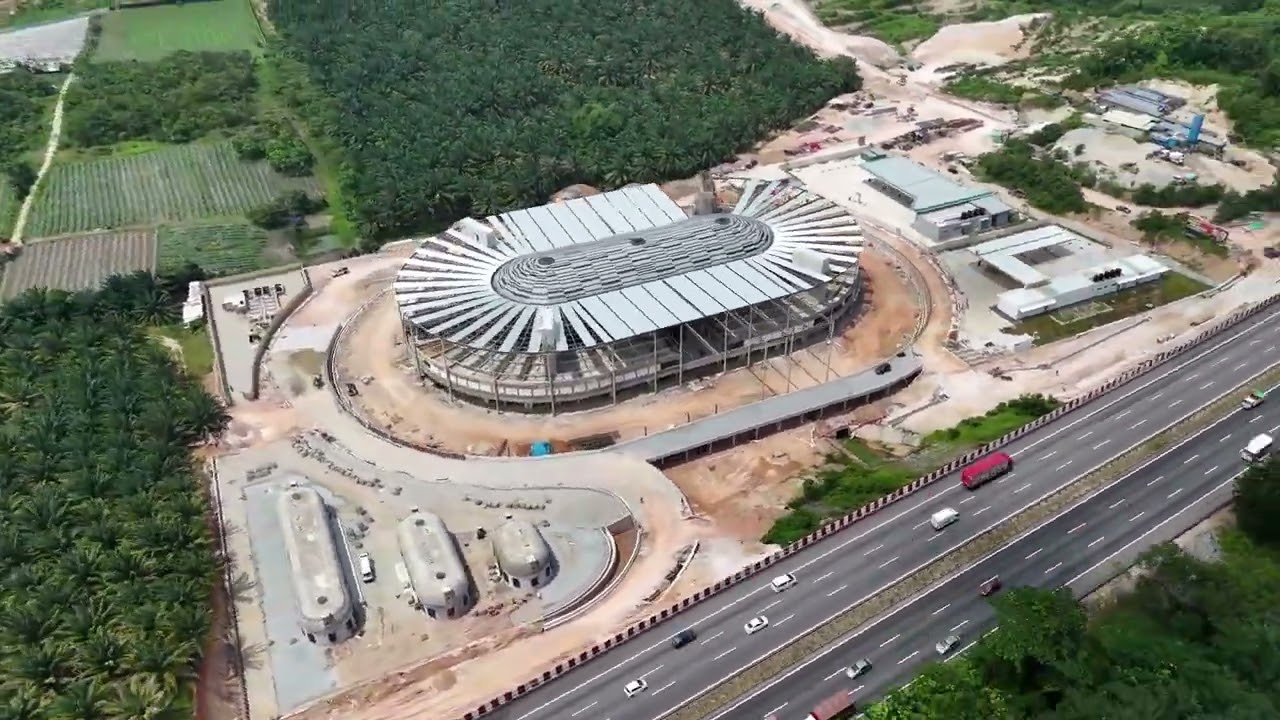
Image Credit : RTM Malaysia
Malaysia will implement a national carbon tax by 2026, a move that signals a major policy shift toward climate accountability across industries. While many will scramble to adapt, EVCC™ Pedas RSA - the country’s first private-sector EV mobility hub provisionally rated Platinum by GreenRE is already positioned to gain.
What We Know About Malaysia’s Carbon Tax (2025–2026)
As announced in Budget 2024 and reiterated in Budget 2025, Malaysia is moving forward with the introduction of a carbon pricing mechanism, expected to take effect in 2026.
Key developments include:
Phase 1 Scope: Will apply to large emitters in energy, oil & gas, and industrial sectors.
Starting Price: Estimated at RM45 per tonne of CO₂ equivalent, rising gradually over time.
Offset Mechanism: Companies may surrender up to 5% of their emissions in the form of local, verified carbon credits.
Revenue Use: Funds will be directed to green R&D, energy transition support, and sustainability grants.
Complementary Measures: Subsidy restructuring, especially for RON95 petrol, will likely be implemented concurrently to ensure consistency in price signals.
This tax is part of Malaysia’s broader push to reach net zero emissions by 2050 and to align with ASEAN carbon-market frameworks.
How Will the Carbon Tax Affect Highway Infrastructure?
Sector | Carbon Tax Impact |
Fuel Retailing | Higher prices on petrol and diesel could alter demand patterns. |
Logistics & Transport | Fleet operators will face rising fuel costs and may pivot to electric alternatives. |
Rest Stops / RSAs | Sites offering EV charging, carbon-neutral energy, or certified ESG design will become highly sought after. |
With fossil fuel prices expected to increase under the carbon tax, highway RSAs that support electric mobility and energy-efficient operations will have a competitive edge—economically and reputationally.
Why EVCC™ Pedas RSA is Poised to Benefit
EVCC™ Pedas RSA is uniquely positioned to thrive in a carbon-tax environment, for several reasons:
1. Low-Emission Design = No Direct Exposure
With its GreenRE Platinum (Provisional) design credentials, EVCC™ Pedas RSA was engineered for sustainability from day one:
Solar-ready roofing and high daylight penetration
Rainwater harvesting and energy-efficient lighting/HVAC
Low-carbon construction materials and native landscaping
This positions EVCC™ as a low-emission site, meaning it will not be directly taxed—but will benefit from tenant and investor demand for green infrastructure.
2. Carbon Credits as a Revenue Stream
Malaysia’s carbon tax framework allows emitters to buy up to 5% in local carbon offsets. The sustainability measures already in place at EVCC™—from solar PV to rainwater systems—may qualify for registration under a domestic carbon crediting scheme.
This opens the door for EVCC™ to generate and sell verified carbon credits, providing an entirely new line of revenue while supporting national decarbonisation goals.
3. Increased Demand from EV Fleets
As fuel becomes more expensive, logistics and transportation companies will accelerate the shift to electric fleets.
These vehicles will require:
Fast, high-capacity charging infrastructure
Strategically located rest stops along major corridors
Facilities offering ESG alignment for Scope 3 reporting
EVCC™ Pedas RSA offers all three—and is ready for the increased highway EV traffic that will follow.
4. Tenant Preference & ESG Compliance
Tenants—such as fuel retailers, F&B brands, and fleet operators—are under growing pressure to comply with sustainability targets. Leasing space in a Platinum-rated, carbon-conscious RSA helps them:
Reduce their operational footprint
Qualify for green supply chains
Demonstrate Scope 1 and Scope 3 emission reductions
This will improve tenant stickiness and allow EVCC™ to command premium commercial rates.
5. Eligibility for Green Incentives & Financing
With the carbon tax generating government revenue for green initiatives, priority access will be given to low-carbon infrastructure developers.
EVCC™ Pedas RSA is eligible to benefit from:
Green Technology Financing Scheme (GTFS)
Carbon credit MRV tax deductions
Inclusion in future green bond or ESG-linked government grants
This positions EVCC™ for favourable loan terms, stronger investor appetite, and greater policy visibility.
Conclusion: Turning Regulation into Opportunity
While much of the market views carbon taxation as a challenge, EVCC™ Pedas RSA views it as a validation. Every element of its design—from energy strategy to retail planning—was built with a carbon-constrained future in mind.
With carbon pricing on the horizon, EVCC™ is not merely compliant—it is optimised to lead.
Key Takeaways
Malaysia’s carbon tax is expected to begin in 2026, affecting high-emission sectors.
EVCC™ Pedas RSA, with its provisional Platinum GreenRE rating, is already aligned with low-carbon expectations.
The hub stands to gain traffic, attract green tenants, and generate carbon credit revenue.
It exemplifies how forward-thinking infrastructure can turn regulation into competitive advantage.
#EVCC #PedasRSA #EVCCPedasRSA #CarbonTaxMalaysia #GreenREPlatinum #ESG #RoadsideDevelopment #EVChargingHub #LowCarbonFuture #GreenHighways #LEVNCapital


Comments