
Singapore’s Green Plan 2030 Is Reshaping Regional Mobility - EVCC™ Pedas RSA Stands at the Frontier
Updated: Aug 21, 2025

Image Credit : Singapore Green Plan 2030
Green Plan 2030: Singapore’s Clear Roadmap for Clean-Energy Vehicles
Singapore’s Green Plan 2030 - a national sustainability strategy launched in February 2021 has set ambitious mobility goals:
100% of new car and taxi registrations must be cleaner‑energy models by 2030, phasing out diesel vehicle registrations from 2025 onward.
Deploy 60,000 EV charging points nationwide (public and private) by 2030, doubling earlier targets.
Full transition of all vehicles to cleaner energy by 2040, including buses and other fleet vehicles.
This transformation is supported by regulatory reforms—EV rebates, revised vehicle taxes, and aggressive phase-out timetables.
Q1 2025: The EV Wave Is Already Here
EVs made up ~40% of new car registrations in Q1 2025 (4,333 new cars, with ~40% being EVs).
BYD emerged as Singapore’s top-selling brand in early 2025, capturing ~20% of total registrations—driven largely by EV sales.
These signals confirm that Singapore’s EV roll-out is transitioning from policy to momentum—and soon to impact cross-border regional travel.
Impacts on Malaysian Vehicles Entering Singapore
As Singapore tightens its clean-vehicle regime, Malaysian cross-border vehicles—private cars, buses, and trucks—will face significant changes:
1. Private Cars
ICE vehicles face growing restrictions; clean-energy vehicles get priority.
Expect future green-lane privileges, ERP exemptions, and zone-based access for EVs.
2. Buses (Tour, Charter, Intercity)
High-emission buses may face EURO VI compliance checks, restricted access to urban areas, and limited entry timing.
Electrified fleets gain full access and long-term cost savings.
3. Commercial Trucks
Diesel trucks may soon be subject to carbon levies and limited entry hours.
Future compliance may require emissions reporting or border inspection.
⚡ EVCC™ Pedas RSA: A Border-Ready EV Hub
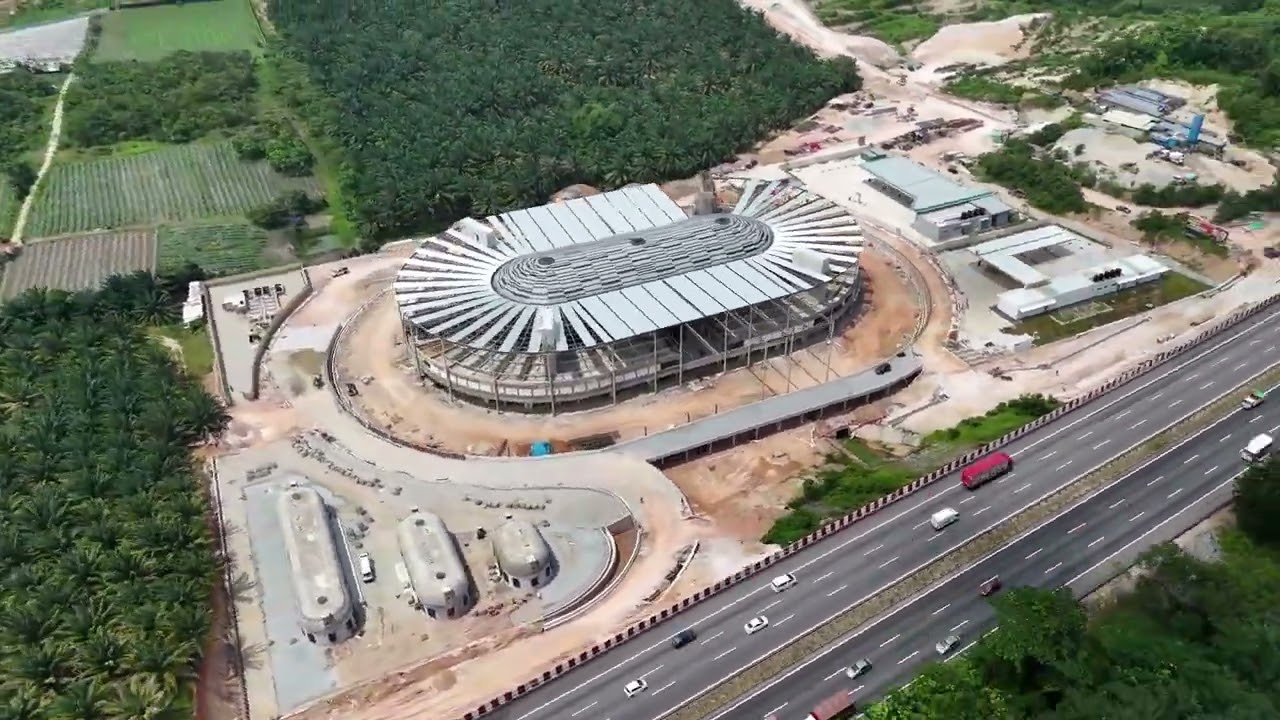
EVCC™ Pedas RSA at KM 241 Southbound is uniquely positioned to serve the growing cross-border EV ecosystem.
Strategic Advantages:
Located at the midpoint between Kuala Lumpur and Johor–Singapore border (~230 km from Tuas).
Offers 350 kW ultra-fast chargers via Tesla and Gentari networks.
Built with 5 MVA substation, , and retail-driven amenities for dwell time.
Conclusion: Pedas RSA Can Anchor a New Mobility Era
As Singapore transitions to a clean-transport nation, Malaysia’s infrastructure must evolve in parallel. EVCC™ Pedas RSA is more than a rest stop—it is a strategic node for regional EV readiness, economic activation, and green mobility leadership.
For inquiries on partnerships, government collaboration, or green infrastructure planning, contact: media@evcc.my or visit www.evcc.my.


Comments